
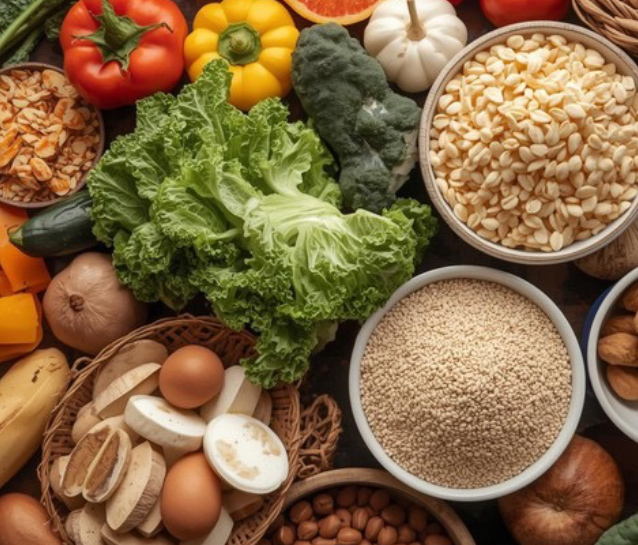
We can look at nutrition in great detail (calories, carbohydrates, proteins, fats, dietary fiber, antioxidants, vitamins and minerals) or more practically – through food groups. In practice, most people don't ask themselves how many grams of carbohydrates are on their plate, but rather what to put on it and in what proportion.
Below are the main food groups and their role on the plate as a practical framework to help us create a balanced meal.
Most modern dietary guidelines (WHO, national FBDG) recommend a varied diet, rich in vegetables, fruits, whole grains, legumes, nuts and moderate amounts of animal-source foods, with minimal added sugar, salt, saturated fats and ultra-processed products...
The full article is available in the attachment.
<p><a href="/uploads/admin/2026-05/skupine-zivil-3453f16a.pdf" target="_blank" rel="noopener" class="article-pdf-link">📄 skupine zivil (5.9 MB)</a></p>